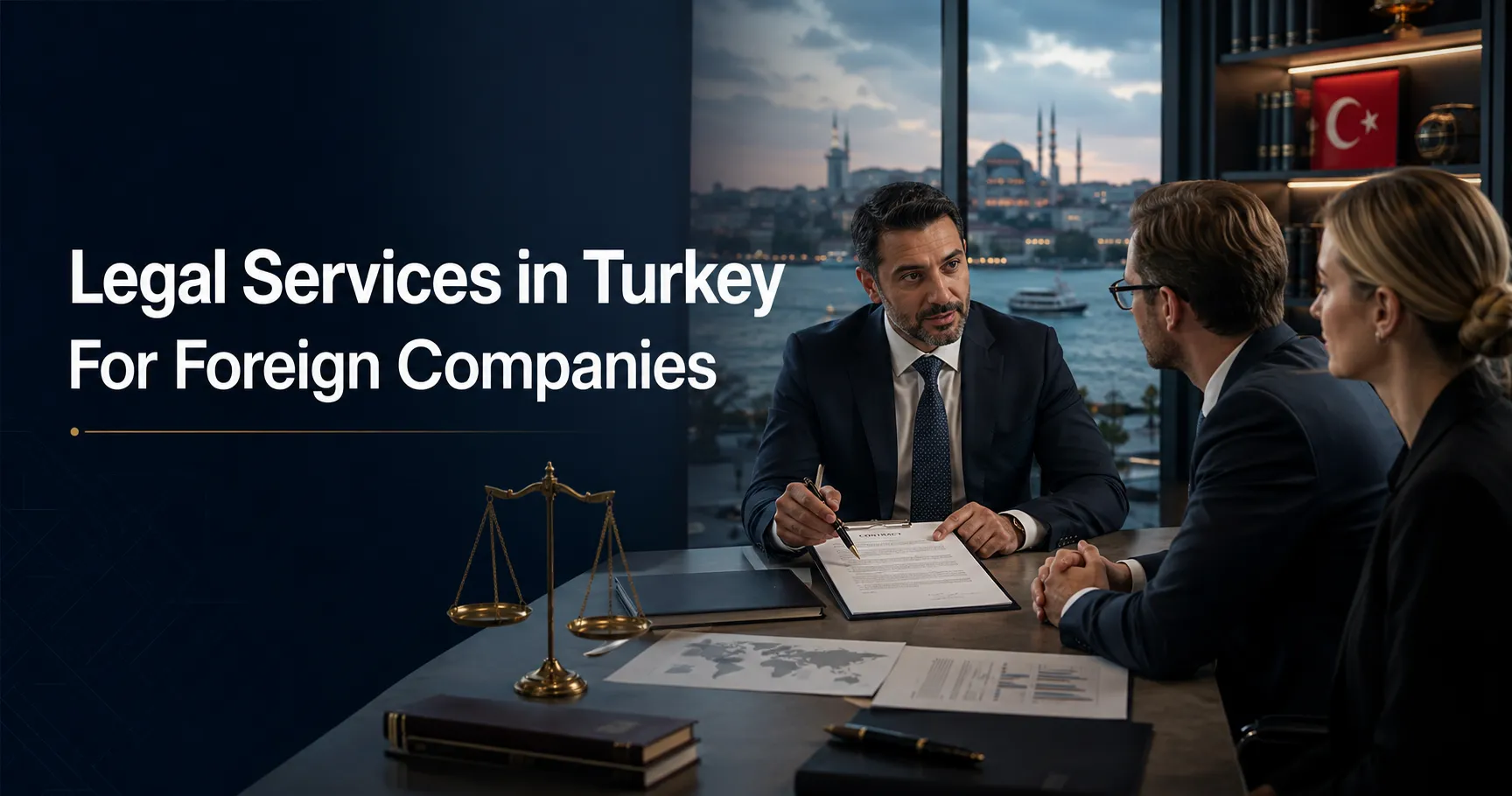
Legal Services in Turkey for Foreign Companies: Contract Review, Debt Collection, and Commercial Disputes
Foreign companies doing business in Turkey may face contract, payment and commercial dispute risks. Learn how legal services in Turkey help protect claims and recover debts.
Introduction to Legal Services in Turkey
The legal landscape in Turkey has evolved significantly over the years, adapting to the needs of domestic and foreign entities alike. For foreign companies operating in Turkey, understanding this legal framework is of paramount importance to mitigate risks and ensure compliance with local laws. The Turkish legal system, which is rooted in civil law, offers various categories of legal services that are crucial for international businesses, notably in the areas of contract review, debt collection, and the resolution of commercial disputes.
Foreign companies often face unique challenges when it comes to entering and operating within the Turkish market. Legal services play a vital role in aiding these businesses navigate through regulatory requirements and contractual obligations. Especially pertinent are services related to contract review, which ensure that agreements are not only compliant with Turkish law but also tailored to protect the interests of foreign parties. The nuances of Turkish law can significantly impact the enforceability of contracts, making professional legal guidance essential.
Debt collection represents another critical area where foreign companies may require legal assistance. The enforcement of debt recovery through the Turkish judicial system can be complex, necessitating the expertise of legal professionals who understand local practices and procedures. Effective debt collection strategies must be developed to facilitate prompt recovery while maintaining commercial relationships.
Furthermore, the resolution of commercial disputes is a common occurrence in business dealings. Legal services addressing disputes can encompass negotiation, mediation, and litigation. The availability of specialized legal practitioners is crucial for foreign corporations to efficiently resolve differences and protect their business interests.
In summary, the significance of legal services in Turkey cannot be understated for foreign companies. By leveraging expert legal counsel, businesses can enhance their operations and safeguard their interests while navigating the intricate legal landscape of Turkey.
Importance of Contract Review for Foreign Companies
Foreign companies operating within the Turkish market must navigate a complex landscape of legal requirements and commercial standards. Understanding the importance of contract review is therefore essential, as it serves as a safeguard against potential risks that may arise from insufficient legal scrutiny. Engaging with Turkish businesses entails adherence to specific regulations, which differ from those in other jurisdictions. Consequently, a thorough examination of contracts is vital in identifying and mitigating any hidden pitfalls.
One significant aspect of contract review lies in its ability to ensure compliance with local laws and regulations. For instance, Turkish law has unique requirements regarding certain business transactions and protecting consumer rights, which can differ widely from the laws applicable in the foreign company’s home country. A meticulous review process can reveal discrepancies between the contract terms and the applicable Turkish laws, thereby helping to avoid legal complications that could lead to disputes or financial losses.
Furthermore, properly reviewing contracts provides insights into the rights and obligations of each party involved, clarifying expectations and reducing the likelihood of misunderstandings. This clarity fosters healthier business relationships, which are essential when entering a new market. In addition, the review process allows companies to negotiate terms that may favor their interests, including payment terms, dispute resolution mechanisms, and liability clauses, thereby establishing a solid foundation for future cooperation.
Another critical factor is the recognition of cultural and commercial practices specific to Turkey, which may not be immediately apparent to foreign entities. A contract that fails to address these nuances may lead to ineffective enforcement or unfavorable outcomes. Ultimately, comprehensive contract review serves as a strategic tool for foreign companies, ensuring alignment with legal standards and increased confidence in their commercial engagements in Turkey.
Understanding Turkish Contracts and Legal Obligations
Turkish contract law, governed primarily by the Turkish Civil Code, establishes the legal framework within which contracts are formed, executed, and enforced. The essential elements of a valid contract in Turkey include mutual consent, a lawful purpose, and a definite subject matter. Both parties must agree to the terms voluntarily, and the contract must be for a purpose that is not prohibited by law.
One of the key types of contracts used in Turkey includes sales contracts, which can pertain to goods or real estate, as well as services contracts. Additionally, lease agreements and franchise agreements are prevalent among foreign entities operating in Turkey. Foreign companies must familiarize themselves with these types of contracts to effectively engage with Turkish businesses while ensuring that their legal interests are protected.
Legal obligations arising from contracts in Turkey can differ markedly from those in other jurisdictions. For instance, Turkish law emphasizes good faith in contractual dealings, requiring parties to behave honestly and fairly toward each other. Furthermore, any contract exceeding a certain monetary threshold must be executed in writing and signed by the parties to be enforceable. This highlights the importance of adhering to legal formalities when drafting contracts.
Foreign companies should also take note of specific regulations that may affect contract execution, such as licensing requirements and sector-specific legal stipulations. Engaging local legal expertise can significantly aid in navigating these complexities. Understanding the nuances of Turkish contract law is therefore crucial for foreign companies to ensure compliance, mitigate risks, and uphold their contractual rights in the Turkish legal landscape.
Navigating Debt Collection in Turkey
Debt collection in Turkey involves a series of structured steps and regulatory frameworks designed to protect the rights of creditors while also considering the legal protections for debtors. For foreign companies looking to collect debts in Turkey, it is essential to familiarize themselves with local laws and procedures to ensure effective recovery of owed amounts. The primary initial step is to send a formal demand for payment to the debtor, which must be crafted in accordance with Turkish legal standards.
Once the formal demand has been issued, if the debtor fails to pay, creditors have the right to pursue legal action through the Turkish judicial system. This includes filing a lawsuit in the competent court, which typically requires the creditor to provide evidence of the outstanding debt. In Turkey, creditors can also engage the services of a legal representative or authorized collection agency, often streamlining the recovery process and enhancing the chances of successful resolution.
It is important for foreign companies to understand the specific legal rights afforded to creditors in Turkey. The Turkish Commercial Code and the Enforcement and Bankruptcy Law outline various measures such as attachment of assets and garnishment of wages, which can be employed to facilitate debt recovery. However, navigating the legal landscape can be challenging, particularly for those unfamiliar with Turkish law.
One effective strategy is to engage local legal services that specialize in debt collection and commercial disputes. Such professionals not only understand the intricacies of the legal system but can also advise on best practices for communication with debtors, negotiation techniques, and the potential for settlement outside of court. Additionally, mediation can serve as a viable alternative to litigation, often resulting in quicker and less costly resolutions.
In conclusion, while the process of debt collection in Turkey poses certain challenges for foreign companies, understanding local laws, engaging experienced legal counsel, and utilizing effective debt recovery strategies can significantly improve the prospects of successful debt recovery.
Legal Framework Surrounding Debt Recovery
The legal framework governing debt recovery in Turkey is primarily anchored in both the Civil Code and the Commercial Code. These legal provisions delineate the rights and obligations of credit grantors and debtors alike, outlining processes and methodologies applicable to debt collection. Under the Turkish Civil Code, specifically within Articles 60 to 63, the debtor’s liability and the creditor’s rights in situations of breach of contract are established. These articles provide a clear framework that encompasses both contractual obligations and tort laws applicable to debt recovery.
In addition to the Civil Code, the Turkish Commercial Code addresses matters related to commercial transactions, offering specific mechanisms to expedite debt recovery for foreign businesses engaged in trade. For instance, Articles 712 to 721 of the Commercial Code allow creditors to initiate enforcement proceedings against debtors through the commercial court system, which is specifically designed to handle disputes arising from commercial activities.
Foreign companies operating in Turkey must be particularly aware of the distinctions in the enforcement of contracts as governed by Turkish laws. This dual framework of civil and commercial regulations emphasizes the predominant importance of good faith in transactions and establishes various forms of security interests that may protect creditors, such as guarantees and liens. Furthermore, best practices for utilizing these legal provisions involve meticulous documentation and adherence to prescribed legal procedures, including timely notifications, which are crucial for successful collections.
Utilizing local legal expertise can greatly enhance a foreign entity’s ability to navigate the complexities of Turkish debt recovery laws. A nuanced understanding of both the framework and practical enforcement methods will not only bolster a foreign company’s position but also minimize potential risks associated with the debt recovery process in Turkey.
Commercial Disputes and Resolution Mechanisms
Conducting business in Turkey presents various opportunities for foreign companies; however, it can also lead to potential commercial disputes. These disputes may arise from contract breaches, service failures, or disagreements over the interpretation of terms. Understanding the nature of these disputes and the available resolution mechanisms is essential for foreign businesses operating in Turkey.
The primary types of commercial disputes in Turkey involve contractual conflicts, shareholder disagreements, and issues surrounding intellectual property rights. Contractual disputes often center on non-performance or misinterpretation of contractual obligations, which may require legal intervention for resolution. Additionally, shareholders may find themselves at odds over decision-making processes or profit-sharing, while intellectual property disputes can arise concerning trademark or patent infringements.
There are three primary mechanisms for resolving commercial disputes in Turkey: litigation, arbitration, and mediation. Each method has its own characteristics and is suited for different types of conflicts. Litigation involves resolving disputes through the courts. It can be lengthy and formal, with a final judgment issued by a judge. However, litigation may not always be the most efficient option, especially for disputes that require confidentiality or expedition.
Arbitration, on the other hand, provides a more streamlined and private process, wherein disputes are resolved by an appointed arbitrator outside of the court system. This method is often favored in international business agreements due to its efficiency and the ability to enforce the resulting arbitral awards internationally. Mediation represents a third alternative, which is a voluntary and collaborative approach to resolving disputes. A mediator facilitates communication and negotiation between parties, aiming for mutual agreement without the need for a binding resolution.
Understanding these mechanisms and their implications can significantly impact the outcome of commercial disputes for foreign companies in Turkey. Businesses should consider incorporating detailed dispute resolution clauses within their contracts to define the preferred method, jurisdiction, and rules that will govern any potential disputes. This proactive approach creates clarity and reduces uncertainty, promoting a more stable business environment.
The Role of Mediation in Turkey’s Legal System
Mediation has become increasingly prominent as an alternative dispute resolution (ADR) method within Turkey’s legal framework. This non-confrontational approach offers a pathway for parties, including foreign companies, to resolve disputes amicably without engaging in lengthy litigation. The Turkish legal system has embraced mediation, recognizing its potential to alleviate the burden on courts and expedite the resolution process.
One of the primary benefits of mediation is its flexibility. Unlike traditional court proceedings, mediation allows the parties involved to dictate the terms of their negotiations, fostering a more collaborative environment. This can lead to creative solutions that satisfy both sides, which is often challenging to achieve through judicial decisions. Moreover, confidentiality is a hallmark of mediation, safeguarding commercial interests and preserving relationships between parties, which is particularly vital for foreign businesses operating in a new market.
The mediation process typically involves the appointment of a neutral third party, known as the mediator, who facilitates discussions between the disputing parties. The mediator does not impose a solution but rather helps guide the dialogue, ensuring that each party’s views are heard and understood. In Turkey, the mediation process is generally straightforward, beginning with an initial meeting followed by subsequent sessions where negotiations take place.
For foreign companies navigating legal disputes in Turkey, effectively utilizing mediation can be advantageous. Engaging in mediation not only demonstrates a willingness to resolve issues amicably but also aligns with Turkey’s evolving legal landscape that increasingly favors ADR mechanisms. By leveraging mediation, foreign companies can potentially save time and costs associated with prolonged litigation, while also fostering goodwill with local partners and stakeholders.
Hire Local Legal Expertise in Turkey
When expanding business operations into Turkey, obtaining the assistance of local legal experts is indispensable. Turkish attorneys and law firms possess a profound understanding of the country’s unique legal landscape, which is essential for effectively navigating complex legal matters, including contract review, debt collection, and commercial disputes. Their expertise allows foreign companies to avoid potential pitfalls and leverage local statutory advantages.
One of the primary advantages of hiring local legal professionals is their knowledge of Turkish laws and regulations, which can differ significantly from those in other jurisdictions. For instance, Turkish commercial law often has specific procedural requirements regarding contracts and disputes that foreign entities may overlook without appropriate guidance. By engaging with local attorneys, businesses can ensure that their contracts are compliant and fortified against local legal vulnerabilities.
Moreover, local legal experts are well-versed in cultural attitudes and business practices that may influence legal proceedings. This familiarity can enhance negotiation strategies, especially in commercial disputes. Local attorneys can also offer insights into the preferences of Turkish courts, potentially leading to more favorable outcomes in litigations and mediations.
Additionally, local legal firms can facilitate debt collection processes by utilizing established networks and strategies tailored to the Turkish market. They understand the intricacies of local enforcement systems, which can streamline recovery efforts and enhance the chances of successful outcomes.
In light of these advantages, it is prudent for foreign companies to establish partnerships with experienced Turkish legal practitioners. Doing so not only mitigates legal risks but also provides essential support in maintaining compliance and resolving disputes efficiently. Therefore, enlisting local legal expertise is an investment that can significantly contribute to the success of business operations in Turkey.
Conclusion and Recommendations
In the context of expanding business operations in Turkey, foreign companies must navigate a complex legal landscape established by Turkish laws and regulations. As discussed, ensuring effective contract review, engaging in debt collection procedures, and managing commercial disputes are critical factors that necessitate the assistance of legal professionals. Each of these areas presents unique challenges and requires tailored strategies to minimize risks and optimize business potential.
Firstly, when selecting a legal advisor, foreign companies should prioritize professionals with a profound understanding of both local laws and international business practices. It is essential to consider their experience, particularly with corporate clients in similar sectors, as specialists can provide targeted advice that aligns with your industry. Seeking recommendations from trusted business networks or utilizing online platforms with comprehensive reviews can also be beneficial in making an informed decision.
Secondly, maintaining compliance with Turkish laws is a continuous process that demands regular review and adaptive strategies. Companies should consider establishing a compliance program that includes regular audits of legal documents and practices. This proactive approach can help mitigate potential legal disputes and ensure adherence to evolving regulations. Additionally, fostering a local legal partnership allows businesses to stay informed and effectively manage any legal developments that may arise.
Finally, embracing open communication and transparency within your organization can further assist in addressing legal uncertainties. Encouraging consultation between departments will aid in identifying potential legal issues early, preventing more significant complications down the line. By implementing these recommendations, foreign companies will be better positioned to navigate the legal services in Turkey effectively, ensuring their business operations are both successful and compliant.


 EN
EN  FR
FR  NL
NL