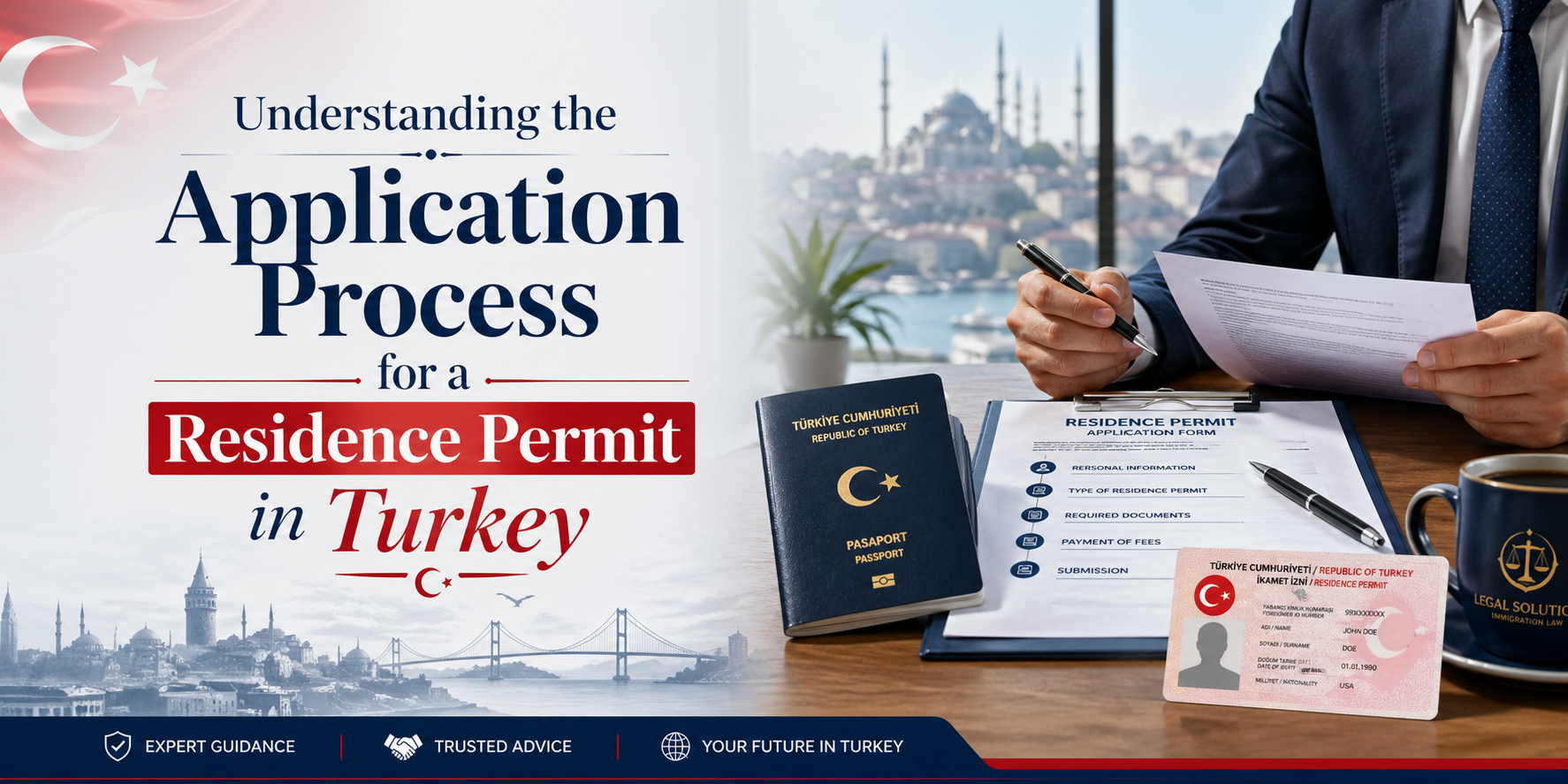
Understanding the Application Process for a Residence Permit in Turkey
Introduction to Residence Permits in Turkey
Turkey, with its rich history and diverse culture, has become an attractive destination for foreign nationals seeking to live, work, or study. Central to this process is the residence permit, an essential legal document that allows foreigners to reside in the country for specific durations and under defined conditions.
The residence permit serves multiple purposes, providing legitimacy to foreign residents. It formalizes a foreign national’s stay and ensures compliance with Turkish immigration laws. Additionally, residence permits offer various benefits, including the right to travel within Turkey, access to public services, and the ability to apply for a work permit under certain conditions.
There are several types of residence permits available in Turkey, each tailored to meet specific needs. The short-term residence permit is typically issued for long-term stays related to tourism, business, or property purchase. Conversely, the long-term residence permit is aimed at individuals who have resided in Turkey for an extended period and have demonstrated a stable status.
Student residence permits are available for those enrolled in educational institutions, allowing them to study while residing in the country. Lastly, family residence permits facilitate family reunification, permitting foreign nationals to bring their family members to Turkey. Understanding these categories is crucial for foreigners looking to navigate the application process for a residence permit and choose the option that best suits their circumstances.
Eligibility Criteria for Residence Permits
Applying for a residence permit in Turkey involves meeting specific eligibility criteria, which vary depending on the applicant’s situation and purpose of stay. One of the key requirements is having a valid reason for residing in Turkey, which may include employment, education, family reunification, or investments.
Generally speaking, applicants must provide supporting documentation to validate their reason for staying. For workers, this often includes a job offer letter and a work contract from a legitimate employer in Turkey. Students must submit their acceptance letter from a recognized educational institution, as well as proof of sufficient financial resources to cover living expenses and tuition fees. Family members of Turkish citizens must provide documentation that proves their relationship, such as a marriage certificate or proof of lineage.
Age restrictions also apply. Minors applying for a residence permit will typically need a parent or legal guardian to submit the application on their behalf. However, if the applicant is over the age of 18 and is applying for a student or work residence permit, they can independently manage their application process.
Additionally, it is important to demonstrate good character and not have any criminal records, which may disqualify individuals from obtaining a residence permit. Medical examinations are also required for some applicants to ensure they do not pose public health risks.
In summary, a comprehensive understanding of the eligibility criteria is essential for anyone looking to secure a residence permit in Turkey. From providing the appropriate documentation to meeting specific age and character requirements, fulfilling these criteria is fundamental in navigating the application process successfully.
Required Documentation for Application
The application process for obtaining a residence permit in Turkey necessitates a well-organized set of documents. Each document serves a crucial role in establishing the applicant’s identity, intentions for residency, and ability to support themselves while in the country.
First and foremost, applicants must provide a valid passport. This document should not only be current but also contain at least six months of validity beyond the intended stay. The passport helps confirm the applicant’s nationality and identity, which is essential for the residence permit application.
Next, recent passport-sized photographs are required. These images must adhere to specific guidelines, including background color and size, and are typically used for the residence permit itself. Ensuring these photographs meet the requirements can prevent unnecessary delays in the application process.
Another key document is proof of accommodation, which verifies where the applicant will reside during their time in Turkey. This could be a rental agreement, a letter from a host, or a hotel reservation, depending on the applicant’s circumstances. This document is important as it confirms that the applicant has a stable living situation.
Financial stability is another critical aspect and must be supported by bank statements or other proof of income. This information demonstrates the applicant’s ability to financially support themselves without relying on government assistance in Turkey. Sufficient funds can also alleviate concerns about potential financial strain on local resources.
It’s also advisable to include a filled-out application form, which can often be obtained from the relevant Turkish authorities’ websites. Each document collectively builds a case for the residence permit, emphasizing the applicant’s compliance with regulations and intentions to reside lawfully in Turkey.
Application Submission Process
The application submission process for a residence permit in Turkey involves several crucial steps that applicants must follow to ensure a successful outcome. Initially, potential applicants are required to complete an online application form via the official website of the Directorate General of Migration Management (DGMM). This platform serves as a primary resource for information related to the various types of residence permits available, including tourist, student, work, and family residence permits.
After filling out the application form online, applicants must schedule an appointment at the appropriate immigration office. This step is critical; applicants should be attentive to the appointment availability and ensure they select a date and time that suits their schedule. When securing an appointment, it is essential to verify the specific office location based on the applicant’s residence address in Turkey. Applicants residing in different provinces must ensure they visit the correct DGMM office designated for their area.
Once the appointment is confirmed, applicants should gather all required documentation to support their residence permit application. This includes, but is not limited to, copies of identification, proof of financial means, a rental agreement, and any documents specific to the type of permit being applied for. It is advisable to prepare these documents in advance to avoid any delays in the process.
On the day of the appointment, applicants are required to submit both their application and all relevant physical documents in person at the designated immigration office. It is important to keep in mind that all documents should be presented in original form along with copies. Following this submission, applicants will receive a tracking number that can be used to monitor the status of their application as it undergoes processing.
Types of Residence Permits and their Differences
Turkey offers various types of residence permits, each designed to cater to specific needs and circumstances of foreign nationals wishing to stay in the country. Understanding these different categories is crucial for applicants to determine which permit aligns best with their purpose of residence.
One of the most common types is the student residence permit. This permit is issued to those who enroll in Turkish educational institutions. It allows students to stay in Turkey for the duration of their studies, facilitating their academic pursuits while permitting them to engage in certain limited work opportunities.
Another category is the work residence permit, which is typically granted to foreign nationals who hold employment contracts with Turkish employers. This permit not only allows individuals to reside in Turkey but also authorizes them to engage in their professional activities. The duration of this permit varies depending on the length of the employment contract, thereby providing flexibility for both employers and employees.
The family residence permit is also noteworthy, designed for individuals who wish to join their family members already residing in Turkey. This type of permit ensures that families can maintain their unity and support one another while living in a different country. Eligibility usually extends to spouses, dependent children, and in some cases, dependent parents.
Lastly, there exists the long-term residence permit, applicable for those who have resided in Turkey for an extended period. This permit is geared towards individuals seeking stability and long-term residency without the need for frequent renewals.
In conclusion, the various types of residence permits in Turkey each serve distinct purposes, catering to students, workers, families, and long-term residents. Applicants must carefully assess their situation to choose the most appropriate permit for their needs.
Processing Times and Fees
When applying for a residence permit in Turkey, applicants should be informed about the processing times and the associated fees that vary by the type of permit requested. Typically, the processing duration for a residence permit application can range from a few weeks to several months. The specific timeframe often depends on factors such as the applicant’s nationality, the completeness of the application submitted, and the current workload of the authorities handling the applications. Applicants are encouraged to apply well in advance of any planned travel or relocation dates to accommodate any potential delays in processing.
The fees associated with residence permit applications also differ based on the type of permit being sought. For instance, short-term residence permits, family residence permits, and student residence permits each have distinct fee structures. It is crucial to refer to the official guidelines published by the Turkish government or relevant consulate to obtain the most accurate and current fee information. Additionally, these fees are typically subject to change, influenced by economic factors or government policies.
Payments for residence permit fees are generally made during the application process, which can often be done through bank transfers, online payments, or at designated locations, such as local police departments or immigration offices. Applicants should ensure that they keep receipts and maintain records of these transactions, as they may be required to present proof of payment during their application review. To avoid complications, prospective applicants must adhere to all fee requirements and understand the financial obligations attached to their residence permit applications.
Renewal and Extension of Residence Permits
Renewing or extending a residence permit in Turkey is a critical step for foreign nationals wishing to maintain their legal stay in the country. The application process must be initiated before the current residence permit expires to avoid any legal issues or gaps in residency. It is advisable to begin the renewal process at least 60 days prior to the expiration date, allowing ample time to gather the necessary documentation and process the application.
The first step involves collecting the required documents. Generally, applicants must provide a completed application form, a valid passport, recent biometric photographs, and proof of sufficient financial resources to support themselves during their stay. Additionally, those applying for an extension of a residence permit for family reunification must include documentation that verifies the family relationship, such as marriage certificates or birth certificates.
Once the necessary documents are compiled, applicants should submit their application to the relevant authorities, which can be typically done via the Directorate General of Migration Management (DGMM). It is crucial to ensure that all information is accurate and that the application is submitted through the appropriate channels. Applicants may also need to pay a fee at this stage, depending on the type of residence permit being renewed or extended.
To avoid any lapses in residency, it is recommended that applicants keep track of their application status and follow up with the DGMM if they do not receive timely updates. Staying proactive in communication can help in addressing any issues that might arise during the renewal process. Overall, understanding the requirements and procedures for renewing or extending a residence permit is essential for anyone planning to reside in Turkey temporarily or for an extended period.
Rights and Obligations of Residence Permit Holders
Holding a residence permit in Turkey provides individuals with certain rights that facilitate their integration into society. One of the key rights includes access to healthcare services. Residence permit holders are entitled to benefit from public healthcare, provided that they register with the local health authority. This is an essential aspect as it ensures that residents can maintain their well-being and access medical attention when necessary, similar to Turkish citizens.
In addition to healthcare, education is another significant area in which residence permit holders can engage. Children of residence permit holders have the right to attend public schools, allowing them to receive a quality education in Turkey. This access is vital for the personal development of children and helps them acclimate to their new environment, contributing to the broader community.
However, with rights come obligations. Residence permit holders are also expected to adhere to the laws and regulations of Turkey. This includes fulfilling any mandatory registration or reporting obligations to local authorities as required by law. It is imperative for permit holders to stay informed about their legal responsibilities, which include the timely renewal of their residence permits and compliance with any conditions attached to their residence status.
Moreover, residence permit holders should engage in civic responsibilities, such as respecting local customs and contributing positively to their communities. By fostering good relations with local residents and participating in community activities, individuals with a residence permit can enhance their experience in Turkey while also helping to build a more inclusive society. Understanding these rights and obligations is crucial for a harmonious and successful stay in Turkey.
Conclusion and Additional Resources
In summary, obtaining a residence permit in Turkey can be a straightforward process when approached with adequate preparation and understanding of the necessary steps involved. Prospective applicants must ensure familiarity with the various types of residence permits available, each tailored to different needs, such as short-term, long-term, family, or student permits. The application process typically requires the submission of several documents, including identity verification, proof of financial means, and a valid reason for residing in the country.
Throughout the application journey, it is crucial to remain informed about the required procedures and any potential changes in regulations. Engaging with official resources such as the Turkish government’s immigration website can provide essential updates and guidance. Moreover, leveraging the expertise of legal professionals or consultancy services that specialize in immigration may also offer invaluable assistance, particularly when navigating complex applications.
For further information regarding specific processes related to residence permits in Turkey, consider consulting the following additional resources: the Directorate General of Migration Management (DGMM) website, which offers comprehensive guidelines and downloadable forms; local embassies or consulates that may assist with inquiries; and community forums or social media groups that gather individuals with experience in the Turkish residence permit process. These platforms can provide firsthand insights and tips that can ease the application experience.
Ultimately, by utilizing these resources and adhering to the stipulated guidelines, applicants can increase their chances of successfully obtaining a residence permit, thus paving the way for a fulfilling stay in Turkey.


 EN
EN  FR
FR  NL
NL
idsakura189
21/08/2026The variety of games here is impressive. I spent the whole evening exploring different options and everything was top notch. Big thanks to idsakura189 for the fun.
idkno89
21/08/2026Really impressed with the customer support here. They answered my questions within minutes. It makes a huge difference when using idkno89.
vnzo789
21/08/2026The variety of games is just insane. I spent hours exploring and still haven’t seen everything. If you want real action, head over to vnzo789.
y1gamesapk
26/08/2026The APK installation was a breeze and the app runs perfectly on my phone. If you are looking for a stable experience then y1gamesapk is the way to go.
idstm88
31/08/2026Finally found a platform that doesn’t lag during peak hours. The interface is super clean and easy to navigate even for beginners. Highly recommend idstm88 to everyone.
luckybet7game
01/09/2026Feeling lucky today! The bonuses here are actually generous and easy to claim. I am definitely staying with luckybet7game for a long time.
okjilicasino
01/09/2026The variety of slots here is insane. I spent the whole night playing and had a great time. Definitely visit okjilicasino if you love slots.