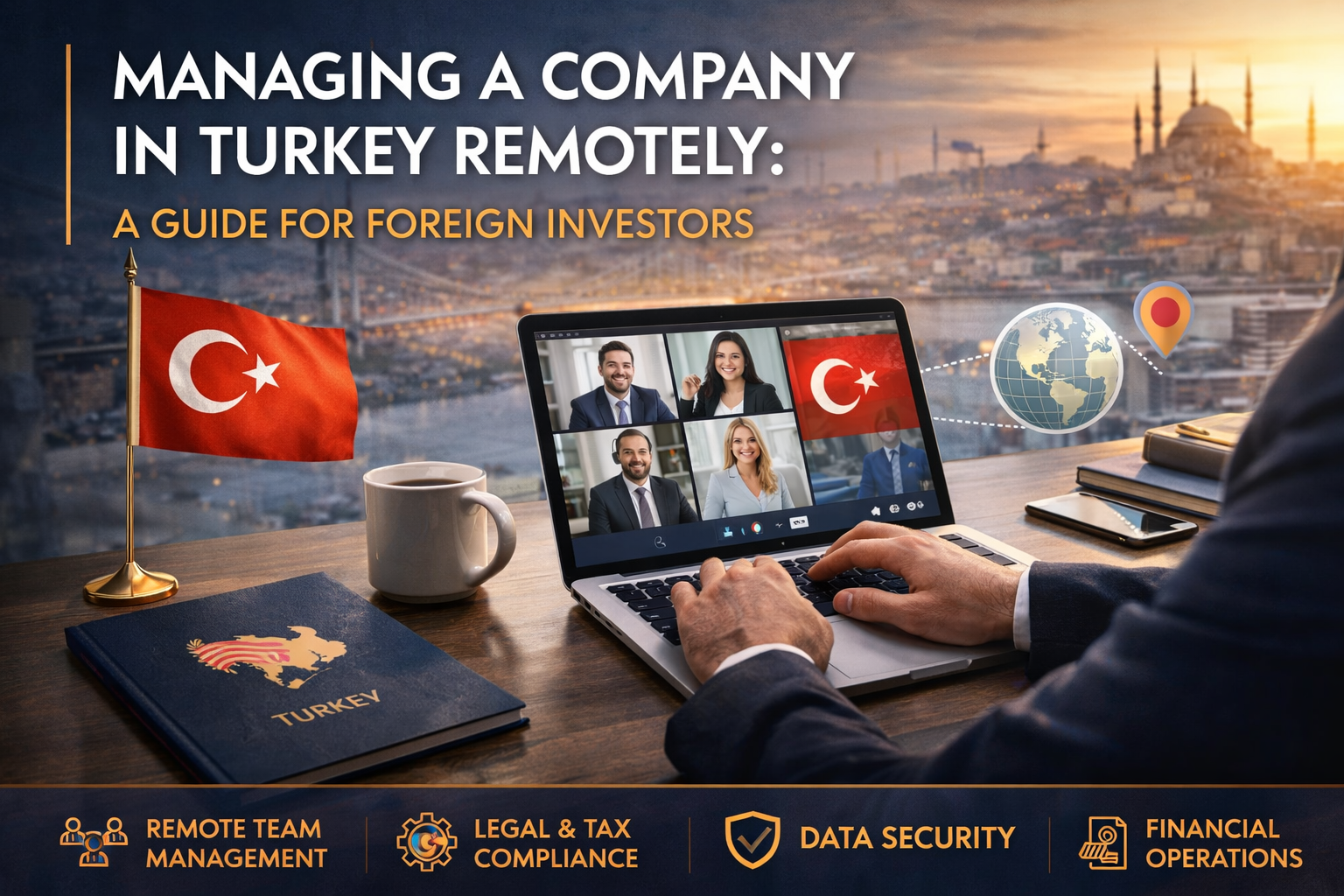
Managing a Company in Turkey Remotely: A Guide for Foreign Investors
Introduction to Remote Management in Turkey
Managing a company in Turkey remotely presents a blend of opportunities and challenges that every foreign investor should understand before embarking on this venture. Turkey, as a developing market, offers a vibrant economy and a strategic location bridging Europe and Asia. The country boasts a young and dynamic workforce, which provides significant advantages for companies looking to expand their reach into this region.
One of the primary benefits of remote business management in Turkey is the ability to tap into diverse market segments. As a growing hub for trade and tourism, Turkey attracts a wide range of consumers interested in innovative products and services. Moreover, Turkey’s government offers various incentives to foreign investors, including tax breaks and assistance in regulatory processes, making it an attractive destination for entrepreneurs thinking about how to run a company in Turkey from abroad.
However, potential challenges exist in navigating the Turkish business environment. Cultural nuances play a considerable role, and foreign investors often encounter different communication styles and business etiquette. Building relationships may take time, as personal connections hold significant value in Turkish commerce. Additionally, understanding local regulations, labor laws, and tax systems can be daunting for those managing a company in Turkey remotely. Investors must familiarize themselves with these elements to ensure compliant and efficient operations.
Furthermore, while advancements in technology have facilitated remote management, reliance on digital communication tools can sometimes lead to misunderstandings. Therefore, establishing clear communication channels and consistent engagement with local teams become paramount for success. Overall, while managing a company in Turkey from abroad offers numerous advantages, it necessitates a thorough understanding of both the economic landscape and cultural context to navigate successfully.
Comprendre le cadre juridique
When managing a company in Turkey remotely, it is imperative to understand the country’s legal framework. Foreign investors must navigate a variety of laws and regulations that govern foreign ownership, labor laws, and corporate governance. Turkey offers a liberal investment climate for foreign investors, yet adherence to legal obligations is paramount to ensure smooth operation and compliance.
One key area of focus for foreign investors is the legal structure of business ownership. According to Turkish laws, foreign entities can possess up to 100% ownership in a variety of sectors. However, certain regulated industries may have specific restrictions, therefore understanding which laws apply is crucial. For those looking into how to run a company in Turkey from abroad, engaging local legal expertise can prove beneficial to navigate these complexities.
In addition to ownership regulations, it is essential to be aware of Turkey’s labor laws, particularly when employing local staff. Regulations around employment contracts, working hours, and employee rights are designed to protect workers. Remote business management in Turkey necessitates compliance with these labor laws, meaning foreign investors should implement fair practices in line with Turkish standards.
Corporate governance is another critical component to consider when managing a company in Turkey remotely. The Turkish Commercial Code mandates businesses to establish a management structure that ensures accountability and transparency. Moreover, companies are required to register with the relevant trade registry and obtain necessary licenses, adhering to the registration requirements set forth by Turkish authorities. Not complying with these regulations can lead to legal challenges and operational disruptions.
Overall, understanding the legal landscape is a foundational aspect of successfully managing a company in Turkey remotely. This ensures foreign investors can operate within the confines of the law while leveraging the opportunities presented by the Turkish market.
Choosing the Right Communication Tools
Effective communication is a fundamental aspect of managing a company in Turkey remotely, particularly for foreign investors who are navigating a different cultural and operational landscape. As businesses increasingly rely on digital platforms, selecting the right communication tools is essential to foster collaboration, ensure transparency, and promote productivity among remote teams.
To start, it is crucial to identify tools that accommodate various communication needs. Video conferencing platforms such as Zoom, Microsoft Teams, and Google Meet facilitate face-to-face interactions that can enhance relationships and build trust. These tools are particularly beneficial for conducting meetings, brainstorming sessions, and training programs, which are integral to remote business management in Turkey.
In addition to video conferencing, instant messaging applications like Slack or Microsoft Teams can improve real-time communication among team members. These platforms allow for quick exchanges of information, which helps to mitigate the delays often associated with email communication. As you manage your company in Turkey remotely, establishing channels for different topics or projects can further streamline discussions.
Moreover, utilizing project management tools such as Trello, Asana, or Monday.com can keep your teams organized and aligned on objectives. These platforms offer features that help track progress, assign tasks, and share updates, which are vital for running a company in Turkey from abroad. By maintaining clear lines of communication, you can ensure that all team members are on the same page regarding project timelines and responsibilities.
Ultimately, investing time in selecting and integrating the right communication tools into your remote management strategy is vital. Ensuring that your team is equipped with the tools they need will facilitate better collaboration and lead to a more productive work environment, which is critical for foreign investors embarking on their business journey in Turkey.
Building a Reliable Local Team
For foreign investors looking to conduct business in Turkey, establishing a trustworthy local team is paramount when managing a company in Turkey remotely. A competent team not only handles daily operations effectively but also acts as a bridge between the local market and the foreign stakeholders, offering insights and tactical advantages crucial for success.
The recruitment process in Turkey requires an understanding of local labor laws and cultural nuances. Businesses should begin by clearly defining the skill sets and qualifications necessary for the roles they wish to fill. Utilizing local recruitment agencies can enhance effectiveness, as these agencies often have extensive experience with the nuances of the local job market. Additionally, they have access to a broad pool of talent, which is essential for spotting the best candidates for your remote business management in Turkey.
When considering how to run a company in Turkey from abroad, invest time in assessing candidates not only on their technical abilities but also on their cultural fit within your company. Building a positive company culture is critical. This can be achieved by fostering communication and trust. Regular virtual meetings and team-building exercises can help in developing these relationships, ensuring that employees feel valued and motivated despite geographical distances.
Moreover, investing in training and professional development opportunities is essential for nurturing local talent. This not only aids in retaining skilled employees but also helps foster loyalty among the workforce, which ultimately enhances productivity. Remember that a well-integrated local team can provide the necessary local knowledge and support, making the process of managing a company in Turkey remotely smoother and more efficient.
Navigating Cultural Differences
Understanding cultural nuances is pivotal when managing a company in Turkey remotely. As a foreign investor, familiarity with Turkish business etiquette and societal norms can enhance your ability to foster fruitful partnerships and navigate daily operations effectively. Turkish culture is deeply rooted in historical values and tradition, making it essential for foreign entrepreneurs to approach business relationships with respect and sensitivity.
In Turkey, face-to-face communication is often preferred over digital correspondence, and establishing strong personal connections is crucial for business success. As such, taking the time to build rapport with local partners is recommended. Start by engaging in small talk before diving into business discussions; this approach reflects a mutual understanding of the Turkish way of conducting business. It is common for Turkish professionals to prioritize relationships over transactional matters, so demonstrating genuine interest in local customs and personal anecdotes can go a long way.
Negotiation styles in Turkey typically embody a blend of assertiveness and diplomacy. When negotiating, be prepared for a collaborative, yet competitive atmosphere. Respect for hierarchy is significant in Turkish culture; therefore, addressing senior executives appropriately reflects professionalism. Furthermore, it is worth noting that trust can take time to establish, thus remaining patient is essential in maintaining long-term relationships. Additionally, consider leveraging local intermediaries who possess insights into cultural and operational subtleties, which can aid in navigating the complexities of running a company in Turkey from abroad.
In conclusion, by actively engaging with the cultural dynamics of Turkey, foreign investors can better position themselves for successful endeavors and contribute positively to their business relationships, ultimately enhancing remote business management in Turkey.
Managing Finances and Accounting Remotely
Managing finances and accounting for a company in Turkey remotely presents distinct challenges for foreign investors. To successfully oversee financial operations while being based outside the country, one must adopt a range of practices tailored to remote business management in Turkey. This encompasses understanding local accounting standards, taxation regulations, and payroll intricacies that directly influence the financial health of the enterprise.
One of the key elements in managing finances effectively from afar is establishing a systematic approach to accounting practices. Utilizing cloud-based accounting software can significantly streamline this process. Such platforms enable real-time access to financial records, allowing for efficient tracking of expenses and revenue. Furthermore, these tools often have features that cater specifically to Turkish regulations, ensuring compliance and simplifying reporting.
Taxation is another critical area to navigate when managing a company in Turkey remotely. Turkey has specific tax obligations, including corporate tax, value-added tax (VAT), and employee-related taxes. Engaging a local tax advisor can help ensure that the company adheres to all necessary regulations and deadlines, particularly for foreign investors. This professional guidance is essential to avoid penalties and maintain optimal financial management.
Payroll management is equally vital in remote business operations. Creating a robust payroll system is necessary to ensure employees are compensated accurately and on time, which is paramount for maintaining workforce morale. Many payroll services specifically designed for the Turkish market can facilitate timely payments and compliance with labor laws.
In summary, effectively managing a company in Turkey remotely involves leveraging technology for accounting, understanding local tax obligations, and establishing reliable payroll systems. By strategically addressing these financial components, foreign investors can operate their businesses efficiently from abroad and ensure they are on firm financial ground.
Establishing an Effective Marketing Strategy
When managing a company in Turkey remotely, it is crucial to develop an effective marketing strategy that resonates with local consumers. Understanding the Turkish market landscape is essential for foreign investors seeking to establish a foothold in this dynamic environment. Consumer behavior in Turkey can be influenced by various factors, including cultural norms, economic conditions, and regional preferences.
To successfully reach your target audience, begin by conducting thorough market research. This will help you identify consumer preferences, buying habits, and local trends that can shape your marketing approach. Utilize local analytics tools and collaborate with local partners who understand the unique aspects of Turkish consumers. This insight not only informs product offerings but also influences how to run a company in Turkey from abroad effectively.
Advertising channels in Turkey are diverse and include traditional media such as television and print, as well as digital platforms. Social media usage is prevalent, making it a valuable channel for engaging with consumers. Establishing a strong online presence through social media marketing can enhance brand recognition and allow you to connect with potential customers directly. Tailor your content to reflect local culture and language to ensure relevancy and sensitivity to regional values.
In promoting products and services, it is important to consider cultural sensitivities and ensure that messaging aligns with local norms. Content should be designed to resonate with the Turkish audience, whether through storytelling, local endorsements, or culturally relevant themes. Employing localized advertising strategies not only enhances market penetration but also fosters consumer trust and loyalty.
In conclusion, an effective marketing strategy for managing a company in Turkey remotely must take into account the local consumer behavior and the regional market dynamics. By harnessing the right channels and creating culturally attuned messaging, foreign investors can enhance their visibility and achieve business success in Turkey.
Leveraging Technology for Operational Efficiency
When managing a company in Turkey remotely, leveraging technology is essential for ensuring operational efficiency, especially for foreign investors. Utilizing various tools can help streamline operations, enhance productivity, and maintain effective communication between teams regardless of geographical barriers.
Project management tools are crucial for overseeing tasks, timelines, and team collaboration. Software such as Asana, Trello, or Monday.com allows managers to assign tasks, track progress, and ensure that all projects are completed within deadlines. These platforms facilitate transparency and accountability, which is vital when you are managing a company in Turkey remotely.
Customer relationship management (CRM) systems are another important technology that enhances operations. Platforms like Salesforce, HubSpot, or Zoho help businesses manage interactions with current and potential customers, ensuring that customer data is effectively utilized to improve service offerings. A robust CRM system can also automate routine tasks, allowing foreign investors to focus more on strategic decisions while maintaining excellent customer service remotely.
Furthermore, logistics management technologies are key in managing supply chains and inventory, which is especially relevant for those exploring how to run a company in Turkey from abroad. Tools like ShipBob or Logiwa can optimize shipping processes, manage stock levels, and enhance distribution strategies. By integrating these technologies, foreign investors can ensure that operational aspects of their business are managed efficiently and effectively, regardless of their physical location.
Incorporating these advanced technologies not only aids in improved management but also creates a centralized platform for communication among teams and clients. As the landscape of remote business management in Turkey continues to evolve, embracing these tools will be crucial for success.
Case Studies and Best Practices
Managing a company in Turkey remotely poses distinct challenges but also opens myriad opportunities for foreign investors willing to adapt their strategies. Several successful case studies illustrate best practices in remote business management in Turkey.
One such example is a technology firm based in Europe that created a subsidiary in Istanbul. By employing local managers well-versed in the Turkish market, the firm learned to navigate local customs and business practices effectively. These managers provided invaluable insights into adapting product offerings and marketing strategies, ensuring alignment with customer expectations. The company effectively employed digital project management tools to streamline communication between international teams and local personnel, significantly improving operational efficiency while managing a company in Turkey remotely.
Another illustrative case is that of a retail company that expanded its operations in Turkey during the pandemic. Instead of establishing a physical presence immediately, the company leveraged local partnerships to enter the market. This guided approach allowed them to assess the market landscape and consumer behavior without overcommitting resources. Utilizing e-commerce platforms popular in Turkey, they successfully launched their products online, providing a robust presence while maintaining flexibility to adapt to market trends. This strategy exemplifies how to run a company in Turkey from abroad effectively by minimizing risks while maximizing market insights.
In both examples, commitment to understanding local context while employing remote management strategies played a pivotal role in their success. Best practices gleaned from these experiences suggest that foreign investors in Turkey should prioritize building strong local networks, integrating digital solutions, and continuously adapting their business operations to better align with market conditions. Such approaches will not only help in addressing the challenges of remote management but also enhance the potential for long-term success.


 EN
EN  FR
FR  NL
NL