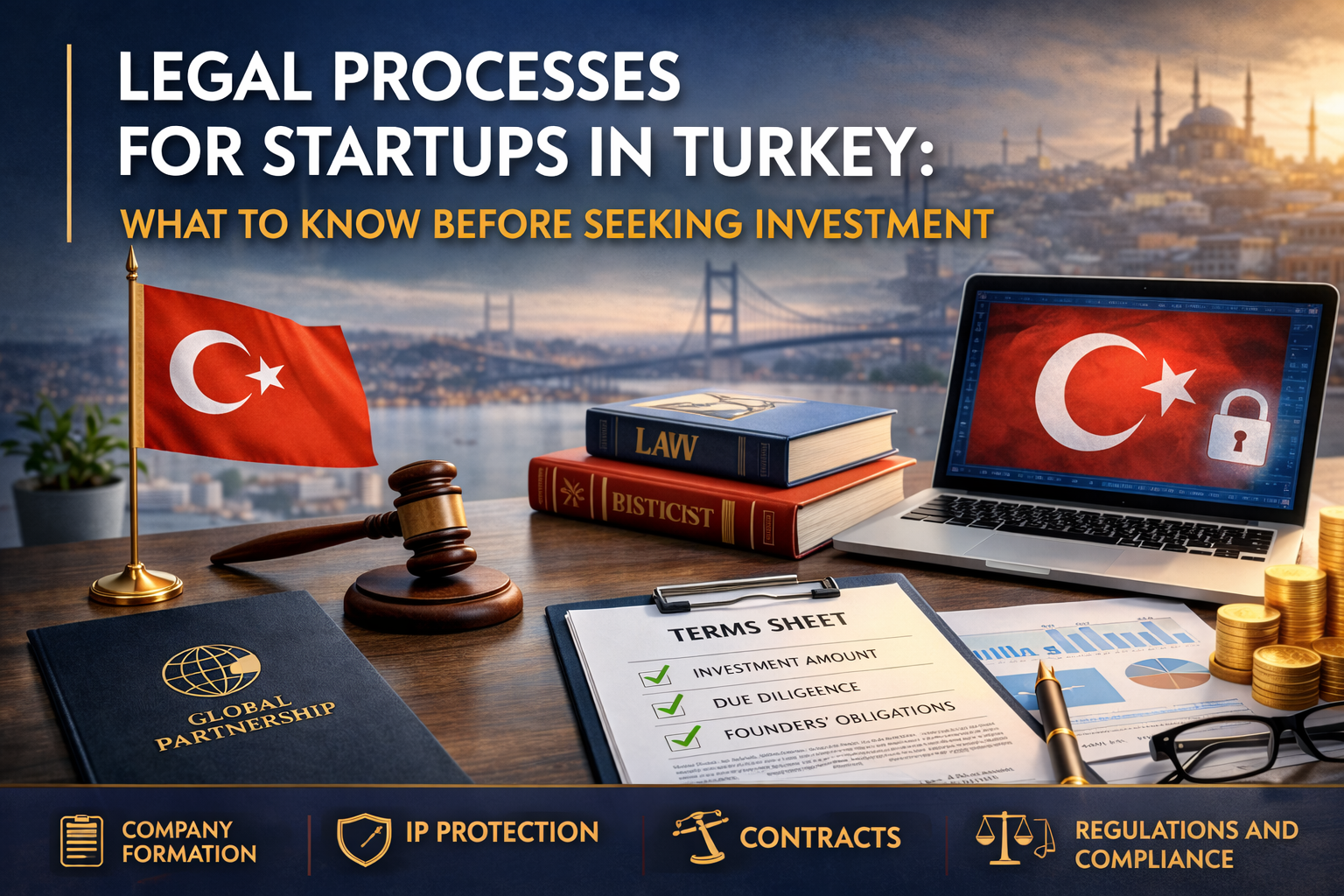
Juridische processen voor startups in Turkije: Wat u moet weten voordat u op zoek gaat naar investeringen
Introduction to Startup Legal Framework in Turkey
Establishing a startup in Turkey involves navigating a complex legal framework that governs various aspects of doing business. Understanding the startup legal process in Turkey is crucial for entrepreneurs, especially before seeking venture capital. Various laws, regulations, and policies shape the operational landscape for startups, making it imperative for founders to familiarize themselves with these legal provisions.
The regulatory environment in Turkey includes Commercial Law, Tax Law, Intellectual Property Law, and Labor Law, each offering guidelines that are pertinent to startups. The Turkish Commercial Code lays the foundation for company formation, governance, and operational compliance. Entrepreneurs must be cognizant of their obligations under this code when starting a business in Turkey legally. Furthermore, compliance with tax regulations is vital to avoid legal pitfalls that could jeopardize their ventures.
Moreover, the legal framework offers various incentives to encourage investment in startups. Government initiatives aim to foster innovation and support entrepreneurship, particularly in technology-driven sectors. Understanding the implications of these initiatives can provide startups with a competitive advantage when seeking funding from venture capitalists.
Intellectual property rights are another crucial aspect of the startup legal framework in Turkey. Startups must safeguard their intellectual assets to maintain a distinct market position and attract potential investors. Thus, it becomes essential for entrepreneurs to engage with legal experts familiar with startup law in Turkey to ensure their innovations are well-protected.
In conclusion, the startup legal process in Turkey entails a comprehensive understanding of relevant legal frameworks. Knowing the legal requirements and implications of various regulations allows entrepreneurs to prepare adequately before seeking investment, positioning their startups for long-term success in a competitive market.
Types of Business Entities for Startups
When considering the startup legal process in Turkey, it is essential for entrepreneurs to understand the types of business structures available. Each entity type comes with unique legal implications, advantages, and disadvantages, which can significantly influence the trajectory of a startup. The most common business entities for startups in Turkey include sole proprietorships, limited liability companies (LLCs), and joint-stock companies.
A sole proprietorship is perhaps the simplest form of business presence in Turkey. It is owned and managed by an individual, offering full control to the owner. However, the primary drawback is that the owner is personally liable for all business debts and legal obligations, potentially placing personal assets at risk. This structure is often favored by freelancers and small businesses due to its minimal regulatory requirements and ease of setup.
Limited liability companies (LLCs) are a more favorable option for many startups looking to mitigate personal liability. An LLC allows for a separation between personal and business assets, thereby protecting the owner’s personal wealth from business-related risks. Additionally, the startup law in Turkey stipulates a minimum capital requirement for LLCs, which provides a layer of credibility and can attract venture capital turkey legal considerations more effectively.
In contrast, joint-stock companies represent a more complex structure, ideal for larger ventures or those planning to raise substantial investment through public offerings. This type of entity requires a larger minimum capital investment and involves rigorous reporting and compliance obligations. However, one of the notable advantages is the ability to easily transfer shares, which can facilitate the involvement of various investors.
Choosing the appropriate entity is crucial for entrepreneurs starting a business in Turkey legally. Understanding the legal framework surrounding each type can lead to more informed decisions that align with business goals and investor expectations.
Registration Process for Startups
Establishing a startup in Turkey involves a well-defined legal framework, essential for attaining the necessary compliance and facilitating future operations. The registration process is structured into several key steps that entrepreneurs must follow to ensure a legitimate business formation.
The first step in the startup legal process in Turkey is selecting the appropriate business structure. Typically, this may include limited liability companies, joint-stock companies, or sole proprietorships. Each structure has its own legal implications and financial responsibilities that entrepreneurs must carefully evaluate. Once the business structure is determined, the next step is obtaining a tax identification number from the Turkish Revenue Administration.
After securing a tax ID, the entrepreneur must prepare the requisite documentation, including the company’s memorandum of association, articles of incorporation, and details of the company’s directors and shareholders. These documents are critical in detailing the company structure and operational guidelines. Following the documentation preparation, the startup must be registered with the Trade Registry Office, which is responsible for keeping records of all businesses in Turkey. This includes submitting the appropriate forms and paying the requisite fees.
The registration process typically takes approximately 2 to 4 weeks, though this may vary based on the efficiency of the local registry offices involved. Costs associated with registering a business in Turkey can also vary, generally ranging between 1,000 TL to 5,000 TL depending on the size and complexity of the startup. Ensuring that all legal requirements are met during this registration process will facilitate a smoother entry into the Turkish market and position the business favorably for potential venture capital investment. Thorough understanding of startup law in Turkey and meeting all compliance requirements are paramount to establishing a successful startup and attracting investment in this dynamic environment.
Compliance and Regulatory Requirements
Starting a business in Turkey involves navigating a complex landscape of compliance and regulatory requirements. It is crucial for startups to familiarize themselves with various laws and regulations to ensure that their operations align with local legal standards. One of the primary areas of compliance is taxation. Entrepreneurs must register for tax identification numbers, comply with the Turkish tax system, and stay updated on applicable tax rates and regulations. Understanding tax obligations will help entrepreneurs avoid potential fines and penalties that could hinder growth and investment opportunities.
In addition to taxation, labor laws in Turkey play a significant role in the startup legal process. Startups are required to adhere to labor regulations concerning employee contracts, working hours, wages, and workplace safety. Compliance with these laws not only protects employees’ rights but also creates a positive company culture, which is vital when seeking venture capital in Turkey. Non-compliance can lead to serious legal repercussions, including lawsuits, which can be detrimental to a startup’s reputation and financial stability.
Another key aspect of compliance is data protection regulations. Given the rise of digital startups, adherence to data protection laws is more important than ever. Turkey’s Personal Data Protection Law (KVKK) sets guidelines for how businesses should handle personal data. Startups must implement measures to protect personal information and ensure that they collect, store, and process data in compliance with these regulations. Failing to comply with data protection laws can result in significant fines and damage a startup’s credibility.
In conclusion, understanding compliance and regulatory requirements is essential for startups in Turkey. By navigating the startup law landscape carefully, entrepreneurs can significantly enhance their chances of attracting investment and achieving long-term success.
Funding Options and Legal Implications
Starting a business in Turkey often requires navigating various funding options that come with distinct legal implications. Understanding these options is crucial for entrepreneurs seeking to secure necessary capital while complying with Turkish laws.
One prevalent option is venture capital, which consists of investments by firms or funds aiming to obtain equity stakes in startups. The legal process surrounding venture capital typically involves negotiating investment terms, drafting shareholder agreements, and complying with regulations regarding the issuance of new shares. Founders should be aware that venture capitalists often require a seat on the board, impacting corporate governance and operational autonomy.
Additionally, angel investors are another source of funding for early-stage startups. These investors usually provide capital in exchange for convertible debt or equity. The legal considerations here may include the drafting of investment agreements that outline specific conditions, valuation caps, and investor rights. Entrepreneurs must protect their interests while engaging with angel investors, as the terms can influence future fundraising rounds.
Turkey also offers various government grants aimed at encouraging innovation and entrepreneurship. Entrepreneurs can apply for these grants, but they must adhere to strict application processes and reporting requirements. Legal implications involve fulfilling conditions set forth by governmental bodies, which may entail compliance audits and regular updates on the use of funds.
Lastly, crowdfunding has gained popularity as a means for startups to raise capital from the public. Legal processes here include compliance with the relevant regulations governing crowdfunding platforms and ensuring that all promotional material and agreements clearly outline the nature of the investment. Failure to comply could result in potential legal liabilities or penalties.
Each funding option presents unique challenges and legal considerations within the startup legal process in Turkey. Entrepreneurs should seek professional advice to navigate these complexities successfully, ensuring they can leverage the funding avenues available while protecting their interests and complying with Turkish law.
Intellectual Property Protection
In the context of startups, especially those engaged in innovative sectors, intellectual property (IP) represents a crucial asset. Securing IP rights can significantly enhance a startup’s value, making it more attractive for potential investors. In Turkey, various types of intellectual property protections are available, including patents, trademarks, and copyrights, each serving distinct purposes and offering different legal safeguards.
Patents protect inventions and provide the holder exclusive rights to manufacture, use, or sell the innovation for a specified period. In Turkey, startups can apply for a patent through the Turkish Patent and Trademark Office. The process generally involves a thorough examination of the invention’s novelty and industrial applicability. Once granted, a patent can deter competitors from copying or utilizing the protected invention, thereby elevating the startup’s market position.
Trademarks, on the other hand, distinguish a startup’s goods or services from those of others. Registering a trademark in Turkey also takes place through the Turkish Patent and Trademark Office, wherein startups apply to protect their brand names, logos, and slogans. A registered trademark affords exclusive rights that help build brand recognition and can considerably increase a startup’s appeal to venture capital investors.
Copyrights protect original works of authorship, such as software code, designs, and written content, which are crucial to many startups, particularly in the creative and tech industries. In Turkey, copyright protection is automatic upon creation of the work, but having registration can bolster legal standing in disputes. Thus, understanding the startup legal process in Turkey regarding intellectual property is essential for any entrepreneur looking to secure their innovations.
To sum up, effective management of intellectual property rights can greatly influence a startup’s success and attractiveness to investors in Turkey, making it imperative for entrepreneurs to navigate the startup legal process diligently.
Employment and Labor Laws in Turkey
Understanding the employment and labor laws is crucial for startups operating in Turkey, especially when embarking on the startup legal process in Turkey. The Turkish Labor Law governs the relationship between employers and employees, establishing clear guidelines on hiring, contract drafting, and employer obligations.
When starting a business in Turkey, legal compliance includes adhering to laws related to employment contracts. Startups must provide written labor contracts for all employees, detailing the job description, salary, and working hours. Contracts must comply with minimum wage laws and other statutory requirements, ensuring that employees are compensated fairly in accordance with Turkish law.
Moreover, it is essential for startups to be aware of the responsibilities they hold towards their workforce. Employers must ensure a safe and healthy working environment, which may include following regulations on occupational health and safety. Additionally, provisions for sick leave, maternity leave, and annual leave must also be clearly stated in the employment contract, as these are critical employee rights under Turkish law.
Employers are required to register their employees with the social security institution (SGK), which guarantees access to healthcare and retirement benefits for employees. This registration process is essential to protect workers’ rights and provides a framework for employer compliance in the startup legal process in Turkey.
Furthermore, startups must also consider the implications of potential disputes arising from employment relationships. The labor courts deal with these issues, highlighting the importance of understanding the legal processes involved in resolving conflicts between employees and employers. Familiarity with startup law in Turkey, including regulations on dismissals and employee rights, is vital for conducting business smoothly and minimizing legal risks.
When navigating the startup legal process in Turkey, understanding the available dispute resolution mechanisms is crucial. Startups often face legal challenges, and it is essential to know how to effectively manage and resolve these conflicts. In Turkey, several options exist for resolving disputes, each with distinct advantages and disadvantages.
Ligation
Ligation is a formal judicial process wherein disputes are resolved through the court system. This method is characterized by its structured procedures and adherence to legal standards. One of the key advantages of litigating is the enforceability of court decisions, which can provide parties with a definitive resolution. However, the litigation process can be time-consuming and costly, often requiring substantial legal fees and lengthy court appearances. Furthermore, the outcome is subject to public records, which may not be suitable for parties looking for confidentiality in their proceedings.
Bemiddeling
Mediation provides an alternative to litigation, allowing parties to negotiate a resolution with the assistance of a neutral third party. This process is generally less formal and can be completed more quickly than court proceedings. The confidentiality of mediation can be particularly appealing for startups, as it allows them to resolve disputes without public exposure. However, since mediation is non-binding, there is a risk that one party may not adhere to the agreed-upon resolution, requiring further legal action.
Arbitrage
Arbitration is another popular dispute resolution mechanism in Turkey’s startup ecosystem. Similar to mediation, arbitration is typically less formal than litigation and allows parties to choose their arbitrator. Importantly, arbitration decisions are binding, making them enforceable in courts. This method is often faster than litigation and can provide more privacy. However, parties may relinquish some control over the proceedings, as arbitration rules and outcomes can vary significantly based on the chosen arbitrator.
In conclusion, it is essential for startups beginning their journey in Turkey to familiarize themselves with these various dispute resolution mechanisms—litigation, mediation, and arbitration—so they can effectively navigate potential conflicts in the early stages of starting a business in Turkey.
Conclusion and Recommendations for Startups
As the startup ecosystem in Turkey continues to grow, understanding the startup legal process in Turkey becomes imperative for entrepreneurs. It is crucial for startups to recognize the significance of complying with local laws and regulations when starting a business in Turkey.
One of the primary recommendations for startups is to seek legal assistance from specialists who are well-versed in startup law in Turkey. A competent legal advisor can help navigate the complexities of the legal landscape and ensure that all necessary registrations, permits, and licenses are in place. This not only paves the way for a smoother startup process but also instills confidence among potential investors during funding rounds.
Compliance is another critical area that startups must prioritize. Regularly updating the business on changes in venture capital Turkey legal frameworks will allow for adaptability and foresight in strategic planning. Maintaining proper documentation for all business transactions is equally important, as it can serve as a safeguard against potential legal disputes.
Preparing for investment rounds involves not only the creation of convincing pitches but also ensuring that legal compliance is at the forefront. Startups should be prepared to provide thorough documentation regarding their business practices as well as the legal status of the company. Understanding the exit strategies and how they fit within startup regulations will also enhance negotiation positions with investors.
In conclusion, entrepreneurs venturing into the Turkish market should approach the startup legal process in Turkey with diligence and foresight. By integrating legal considerations into the business strategy, startups can position themselves for sustainable growth and attract necessary funding more effectively.


 EN
EN  FR
FR  NL
NL
idpasukanjitu
21/08/2026A very trustworthy site with a great community. The bonuses are generous and the gameplay is fair. I’m sticking with idpasukanjitu.
vn798win
21/08/2026Had a great run on this site last night. The variety of games is amazing and the site loads super fast. Check out vn798win if you want some real action.
warungslotlogin
21/08/2026Best experience so far! The games are fair and the registration process was a breeze. Definitely checking out warungslotlogin more often.
ph38jili
28/08/2026I’ve been playing here for a few weeks and the payouts are surprisingly fast. Definitely one of the best options for slots right now. Check out ph38jili
phjiliuu
28/08/2026Found this site through a friend and it did not disappoint. The customer support is very responsive and helpful. Keep it up phjiliuu!
phjili368
31/08/2026Really impressed with the customer support here. They answered my questions in minutes. Great service and great games at phjili368.
bdkkk786
31/08/2026Finally found a platform that doesn’t lag during peak hours. The interface is clean and easy to navigate. Highly recommend bdkkk786 for anyone looking for a reliable spot.
phpjiliph
02/09/2026I’ve tried many platforms but this one is really smooth. The payouts are fast and the games are super exciting. Definitely a great choice for locals! phpjiliph
jili178login
02/09/2026Very stable connection and the registration was a breeze. I appreciate how they keep things simple and efficient. Big thumbs up for jili178login.
pkbet9ja
07/09/2026Finally found a platform that understands what local players actually want. The odds are fair and the sign-up process was a breeze. Highly recommend pkbet9ja.
pkcr777
13/09/2026Had a lucky streak here last night! The site is stable and the games load instantly. If you want a fun time, pkcr777 is the way to go.
krunbet
13/09/2026I’ve tried a lot of these sites but this one feels the most authentic. The odds are competitive and the experience is top notch. Cheers to krunbet!
pkluckygameapk
14/09/2026Feeling lucky today and this app is the perfect place to test my streak. The graphics are top notch. Visit pkluckygameapk nu.
no1jililogin
18/09/2026Super easy to register and start playing. No complicated steps, just pure fun and excitement. Join no1jililogin
pk68viplogin
20/09/2026I’ve been looking for a reliable way to access my account and this site is super smooth. Everything loads fast and the login process is effortless. Highly recommend pk68viplogin for anyone who wants a hassle-free experience.