Understanding Workplace Accidents: Disability and Compensation
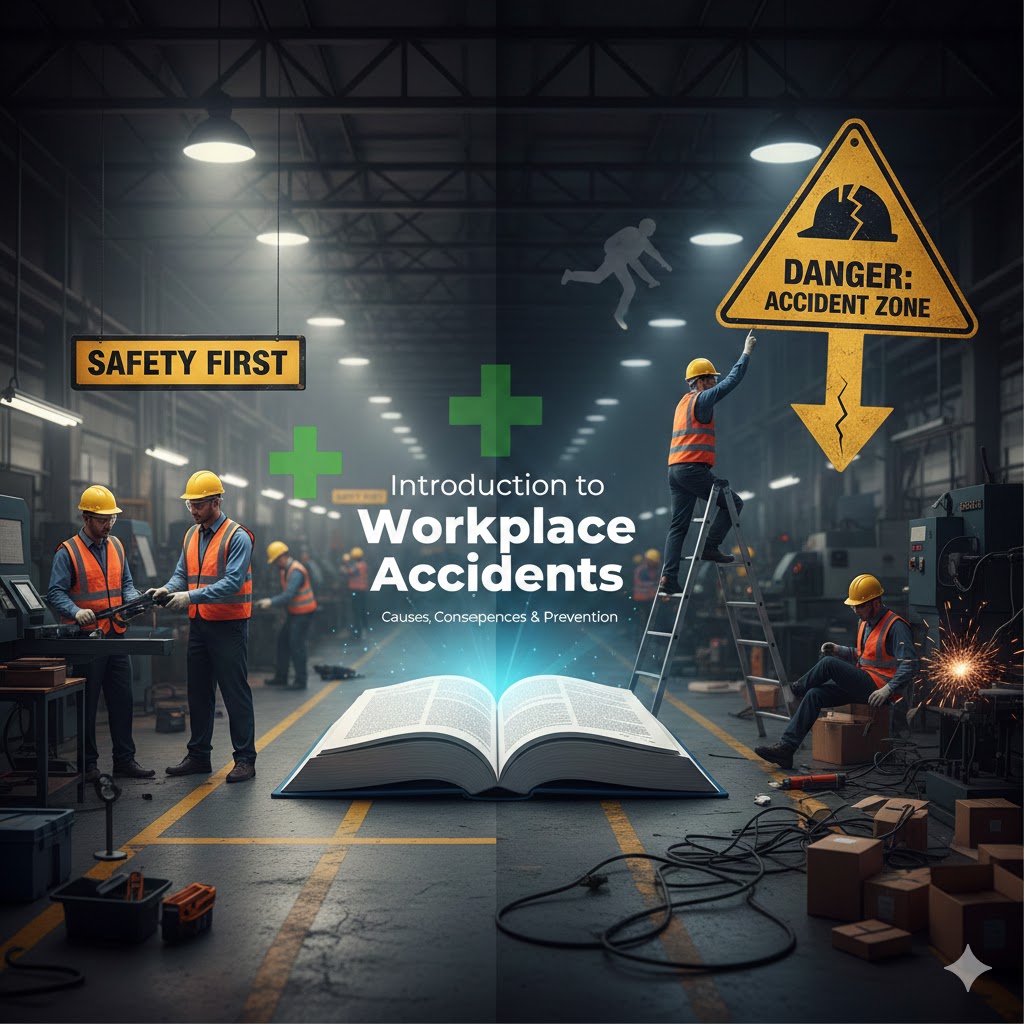
Introduction to Workplace Accidents
Workplace accidents refer to unforeseen events that occur during the course of employment, often resulting in physical injury, psychological distress, or even fatality. These incidents can take various forms, including slips and falls, machinery accidents, exposure to hazardous materials, and workplace violence. It is essential to underscore the significance of understanding workplace accidents, especially in the context of disability and compensation, as they directly impact the lives of employees and employers alike.
Statistics reveal the alarming frequency of work accidents across various industries. According to the Occupational Safety and Health Administration (OSHA), in 2020 alone, there were over 4,800 workplace fatalities in the United States, while millions of others suffered non-fatal injuries. This data illustrates that occupational safety remains a critical concern, warranting a comprehensive discussion of the implications of these accidents. For employees who endure work-related injuries, the subsequent path often includes navigating the complexities of obtaining disability benefits and compensation for both pecuniary and non-pecuniary damages.
The repercussions of workplace accidents extend beyond the immediate physical injuries. Victims may face long-term disabilities that hinder their ability to work, thus impacting their financial stability and overall quality of life. Employers, on the other hand, may experience increased insurance premiums, productivity losses, and potential criminal investigations if safety violations or negligence are uncovered. Therefore, understanding the broader context surrounding workplace accidents is crucial for both employees, who must advocate for proper compensation, and employers, who need to prioritize safety measures to mitigate risks and promote a healthier work environment.
Types of Workplace Accidents
Workplace accidents can vary significantly in nature and severity, and understanding these categories is vital for raising awareness and improving occupational safety. One common type of accident is slips and falls, which often occur due to wet floors, uneven surfaces, or cluttered walkways. For example, an employee in a warehouse could slip on spilled liquids, resulting in serious injuries such as fractures or head trauma, leading to long-term disability and necessitating compensation for pecuniary and non-pecuniary damages.
Machinery-related incidents also represent a significant share of work accidents. Employees working in factories or construction sites may operate heavy machinery, presenting a risk of injury if proper safety measures are not observed. A worker could experience severe lacerations or amputations if caught in unprotected equipment. This could initiate a criminal investigation, particularly if negligence is suspected, and could ultimately affect their eligibility for Social Security Insurance (SSI) benefits in the event of disability resulting from such accidents.
Exposure to harmful substances is another crucial category that can lead to debilitating conditions. Employees in environments where they encounter chemicals, fumes, or dust are at risk of developing respiratory disorders or skin diseases. A worker in a manufacturing plant, for instance, might suffer respiratory complications from prolonged exposure to toxic fumes, which could lead to long-lasting health issues and require significant medical treatment and disability compensation.
Lastly, vehicle accidents are prevalent among employees who operate vehicles as part of their job responsibilities, such as delivery drivers or maintenance workers. A collision while performing work duties can result in injuries ranging from minor to severe, with potential long-term repercussions. Understanding the diverse types of workplace accidents not only highlights the importance of prevention measures but also emphasizes the need for adequate compensation following such incidents. Employers must promote workplace safety to mitigate these varied risks and reduce the likelihood of accidents occurring.
Understanding Disability Due to Workplace Accidents
Disability resulting from workplace accidents significantly influences the lives of employees, affecting their quality of life and ability to perform essential work duties. Disabilities can generally be categorized into two main types: temporary and permanent. Temporary disabilities arise when an individual is unable to work for a limited duration, often recovering over time and eventually resuming their normal employment. The recovery period may vary depending on the nature and severity of the injury sustained during the work accident.
On the other hand, permanent disabilities result from more severe injuries and may impede an employee’s capacity to return to their previous job or engage in suitable employment altogether. Such permanent conditions can alter the individual’s career path, prohibit them from performing specific tasks they once could, and ultimately, lead to a loss of income. Individuals who suffer from permanent disabilities may qualify for various forms of compensation, including pecuniary and non-pecuniary damages, which attempt to address both the financial hardships and the emotional pain resulting from their situation.
The impact of these disabilities extends beyond the workplace. An individual may experience significant changes in their daily routines, social interactions, and self-identity. The inability to perform previously manageable tasks can lead to feelings of frustration and, at times, depression. Employers have an obligation to ensure occupational safety and reduce the risk of accidents, which can, in turn, minimize the likelihood of injuries that lead to disability. Additionally, post-accident, some cases may warrant a criminal investigation if negligence or unlawful conduct is suspected as contributing factors to the accident.
Consequently, it is crucial for both employers and employees to understand the implications of work accidents and their role in addressing disability claims. Being informed about available support systems, including Social Security Income (SSI), can help affected individuals navigate this challenging landscape. A comprehensive understanding of potential outcomes can lead to better preparedness in the wake of unfortunate workplace incidents.
Legal Framework for Compensation
Workplace accidents can lead to significant physical, psychological, and financial repercussions for injured employees. The legal framework that governs compensation for such accidents is primarily established through workers’ compensation laws. These laws are designed to provide a no-fault system of compensation, ensuring that employees who suffer injuries or disabilities due to work-related incidents are provided with necessary financial support without the need to prove employer negligence.
In many jurisdictions, these laws mandate that employers carry a workers’ compensation insurance policy, which covers medical expenses, rehabilitation costs, and a portion of lost wages. The compensation framework distinguishes between pecuniary and non-pecuniary damages. Pecuniary damages refer to quantifiable costs such as medical bills and lost earnings, while non-pecuniary damages include compensation for pain and suffering or emotional distress arising from the work accident.
To initiate the process of claiming compensation for a workplace injury, an employee must first report the accident to their employer promptly. Following this, a formal claim should be filed with the relevant workers’ compensation board or agency, detailing the injury, its cause, and the medical treatment received. Legal representation can assist in navigating this process, particularly if disputes arise regarding the claim’s validity or the extent of the injury.
In some cases, third-party liability may come into play. If another entity’s negligence contributed to the accident, an injured worker might pursue additional claims beyond workers’ compensation, potentially including a personal injury lawsuit. However, this can complicate the legal proceedings and potentially involve a criminal investigation if willful misconduct is involved. Overall, the legal framework surrounding workplace accidents serves to balance the interests of employees and employers while promoting occupational safety.
The Compensation Process Explained
After experiencing a work accident, employees must navigate various steps to seek compensation for their injuries. The first and foremost action is to report the incident to a supervisor immediately. Documentation is crucial; thus, it is advisable to create an accident report detailing the circumstances of the injury, involving eyewitness accounts and photographs when possible. This documentation serves as essential evidence when pursuing pecuniary and non-pecuniary damages related to the accident.
Following the initial report, employees should seek medical attention regardless of the injury’s severity. A medical professional will evaluate the condition and provide necessary documentation, which can also support the compensation claim. All records of medical treatments, including hospital visits and rehabilitation sessions, should be maintained, as these will be pertinent for proving the extent of disability or ongoing health issues due to the workplace incident.
Next, it is essential for employees to familiarize themselves with company policies and state laws related to work accidents and disability claims. For instance, many jurisdictions require that a formal claim be submitted within a specific timeframe following the incident. Filing a claim involves completing the necessary forms and submitting them to your employer’s worker’s compensation insurance provider, ensuring that all details regarding medical treatment and lost wages are included.
In cases where a workplace accident leads to severe injuries, employees may also be entitled to Supplemental Security Income (SSI), depending on the extent and duration of their disability. If the accident resulted from negligence or unsafe working conditions, an employee might pursue additional claims against responsible parties, which could trigger a criminal investigation. Overall, understanding and adhering to the necessary steps and deadlines in the compensation process is vital for recovering the rightful benefits after a work-related injury.
Challenges in Obtaining Compensation
The aftermath of a work accident can be overwhelming for employees, particularly when it comes to seeking compensation for their injuries. One of the primary challenges faced by individuals is the dispute over liability. In many cases, employers may argue that the accident did not occur in the course of employment or that the employee’s actions contributed to the incident. This can lead to a lengthy and convoluted process of determining fault, ultimately making it more difficult for the injured party to receive the necessary pecuniary and non-pecuniary damages.
Additionally, the burden of proof rests heavily on the injured employee. They must provide substantial evidence that the work accident directly resulted in their disability and that it occurred within the framework of occupational safety regulations. Collecting medical records, eyewitness accounts, and documentation of employment conditions can be not only time-consuming but also emotionally taxing. This requires both legal acumen and an understanding of workers’ compensation laws, adding another layer of difficulty for many employees seeking Social Security Insurance (SSI) benefits.
Employer pushback can further complicate the pursuit of compensation. Some organizations may resist acknowledging an accident’s occurrence or the extent of its impact on an employee’s health, motivated by financial concerns or fear of litigation. In some instances, employers may even go as far as to initiate a criminal investigation, alleging fraud or misrepresentation. This can create a chilling effect on employees who may feel hesitant to come forward about their experience due to a fear of retaliation or job loss.
Each of these challenges underscores the complexities of seeking fair compensation for work-related injuries. Employees must navigate a landscape fraught with legal, professional, and emotional hurdles, making it imperative to seek the guidance of professionals who specialize in workplace accident claims.
The Role of Employers in Workplace Safety
Employers play a crucial role in ensuring workplace safety and mitigating the risk of work accidents. Their responsibilities encompass a range of activities aimed at creating a safe working environment for all employees. This responsibility is not only a moral imperative but also a legal one, as failing to prioritize occupational safety can lead to significant legal repercussions, including potential criminal investigations if negligence is suspected.
A fundamental aspect of an employer’s duty is to provide adequate training to employees. This training should cover both general safety protocols and specific procedures relevant to the tasks being performed. Understanding how to operate machinery safely or handling hazardous materials properly can drastically reduce the incidence of work accidents. Furthermore, regular refresher courses and drills can help reinforce this knowledge and keep safety at the forefront of employees’ minds.
In addition to comprehensive training, employers must ensure that safety equipment is not only available but also properly maintained. Personal protective equipment (PPE) such as helmets, gloves, and harnesses should be provided to employees at no cost, aligning with regulations set forth by occupational safety agencies. The failure to supply appropriate safety gear not only jeopardizes the well-being of the workforce but can also expose employers to claims for pecuniary and non-pecuniary damages in case of accidents.
Moreover, fostering a culture of safety within the workplace is essential. Employers should encourage open communication regarding safety concerns and empower employees to report incidents or hazardous conditions without fear of reprisal. This participatory approach not only enhances safety but can also reduce the likelihood of disability claims stemming from work accidents.
Ultimately, neglecting these responsibilities can expose employers to legal challenges, including lawsuits from injured employees seeking compensation for work-related injuries or disabilities. By prioritizing workplace safety and actively implementing safety measures, employers can protect their workforce and minimize potential liabilities.
Supporting Employees with Disabilities
Workplace accidents can have profound impacts, often resulting in disabilities that affect an employee’s ability to perform their job effectively. To foster an inclusive work environment, employers must establish various support measures aimed at assisting these individuals. One crucial aspect of support is the provision of reasonable accommodations. This can involve modifications to the work environment, adjustments to work schedules, and the use of specialized equipment. Such accommodations are not only essential for the employee’s comfort but also for enhancing their productivity, thus benefiting the overall organizational performance.
Another effective support strategy is the implementation of return-to-work programs. These programs can be structured to facilitate a gradual re-entry into the workplace, allowing employees to adjust to their roles at a manageable pace. A tailored return-to-work plan may include a temporary reduction in hours or responsibilities, enabling employees to regain confidence and competence in their tasks. This approach can significantly reduce the emotional and financial strain often associated with recovery from a work accident, aiding employees in their journey back to full capacity.
Furthermore, ongoing support mechanisms play a vital role in maintaining employee well-being post-accident. Employers can provide regular check-ins, counseling services, and access to medical professionals who specialize in occupational safety. These services not only help employees cope with any psychological impact of their accident but also ensure that they receive appropriate care for their physical disabilities. By investing in comprehensive support for employees with disabilities, employers can minimize pecuniary and non-pecuniary damages associated with workplace accidents and foster a more resilient workforce.
Conclusion and Call to Action
In conclusion, workplace accidents present significant challenges not only for the affected employees but also for their employers and the wider community. Understanding the nuances of disability stemming from these accidents is crucial for ensuring that individuals receive the rightful compensation they deserve. Pecuniary and non-pecuniary damages are two types of relief that can arise from such incidents, and awareness of their differences can help victims navigate the complexities of the compensation process. Moreover, Social Security Income (SSI) may be accessible to those who find themselves unable to work due to disabling injuries sustained in the workplace.
Promoting occupational safety should be a priority in every organization. Proper training, education, and implementation of safety protocols can significantly reduce the occurrence of work accidents. It is imperative that employees are aware of their rights and the procedures involved should an accident occur. Those who are injured need to know how to navigate the claims process for both SSI and other compensation claims. Additionally, employers have a responsibility to investigate these incidents thoroughly, as a detailed criminal investigation may sometimes be warranted depending on the circumstances leading to the accidents.
We encourage our readers to take an active role in advocating for improved safety practices within their own workplaces. Share this information with colleagues, participate in safety training sessions, and hold discussions about accident prevention. By fostering a culture of safety, we can help minimize work accidents and better support those who experience disability as a result. Staying informed and engaged not only benefits individuals but also helps create a safer, healthier work environment for everyone.


 EN
EN  FR
FR  NL
NL