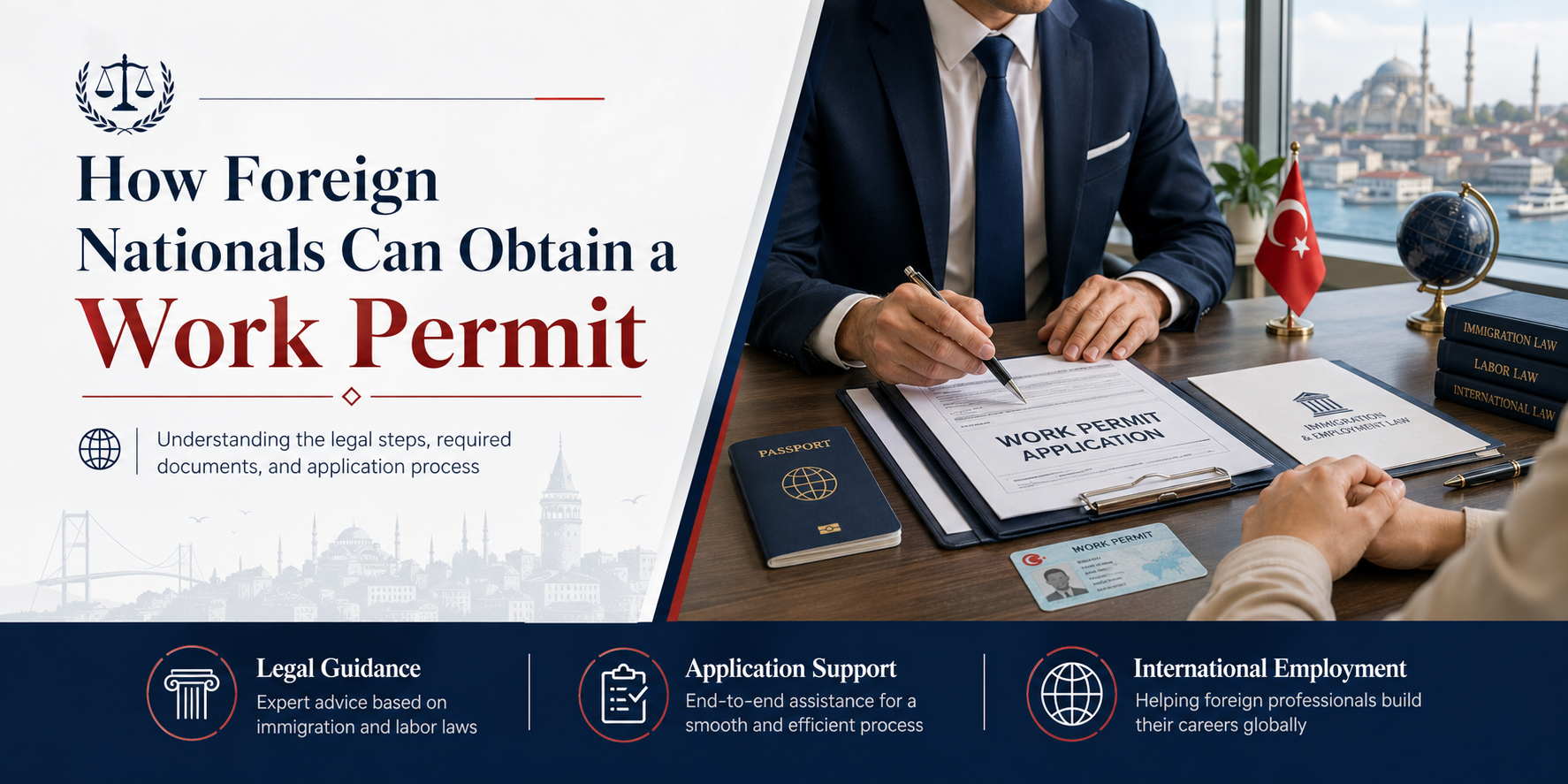
How Foreign Nationals Can Obtain a Work Permit
Understanding Work Permits
A work permit is an official document that grants foreign nationals the right to work in a country other than their own. This legal authorization is crucial for individuals who wish to pursue employment opportunities abroad. By obtaining a valid work permit, foreign nationals can ensure that they are adhering to the immigration laws of their temporary host country, allowing them to work legally and avoid potential penalties.
The significance of a work permit extends beyond mere legality; it often represents a gateway to better employment opportunities, the ability to gain international experience, and the chance to enhance skills in a global market. Many countries have specific programs designed to attract foreign talent, and a work permit is the first step for those hoping to participate in these initiatives.
Eligibility for a work permit varies widely by country, but there are some common criteria that foreign nationals must meet. Generally, individuals must secure a job offer from an employer within the host country and often must demonstrate that no eligible local workers are available for the position. Furthermore, applicants may be required to undergo background checks, provide proof of relevant qualifications, and ensure they meet any health and safety regulations set forth by the country.
Moreover, there are different types of work permits available depending on the nature of employment and the duration of stay. These can include temporary work permits for seasonal jobs, long-term permits for skilled workers, or even intra-company transfer permits for employees of multinational corporations. Understanding the specific requirements and options available is essential for foreign nationals embarking on their journey to obtain a work permit.
Identifying the Need for a Work Permit
For foreign nationals seeking employment opportunities abroad, understanding the requirement for a work permit is crucial. A work permit serves as a legal authorization that allows individuals to engage in paid employment within a host country. The necessity of obtaining this permit largely depends on various factors, including the country of residence, the nature of the job, and the employment sector.
In many countries, foreign nationals are required to secure a work permit for both temporary and permanent employment. Different job sectors may have specific immigration rules and regulations that dictate the application process for a work permit. For instance, sectors such as healthcare, engineering, and information technology often attract foreign workers and may have streamlined procedures to facilitate their entry. Conversely, other sectors may impose stricter criteria in terms of qualifications and recruitment processes.
Moreover, the obligations tied to employment, including employee rights, taxes, and social security contributions, can vary depending on the type of work permit issued. Some countries categorize permits by employee skill level, with distinctions made between skilled and unskilled labor. Therefore, it is essential for foreign nationals to analyze job descriptions and understand the legalities surrounding employment under each specific work permit category.
In addition to job sectors, the duration of stay and type of employment will determine the need for a work permit. Short-term assignments may require different permits compared to long-term job placements. Ultimately, foreign nationals must conduct thorough research regarding the work permit requirements and stay compliant with local labor laws to ensure a smooth transition into the foreign job market.
Researching Host Country Regulations
When considering a work permit for foreign nationals, it is crucial to research the specific regulations of the host country. Each country has its own set of visa policies and requirements, which can significantly vary depending on the type of work one intends to pursue. Understanding these guidelines is essential to ensure a smooth application process and compliance with immigration laws.
The first step in researching host country regulations is to visit official government websites, which often provide detailed information on work permits, including eligibility criteria, application procedures, and associated fees. These sites typically have resources dedicated to foreign nationals seeking employment in that particular country. Check for sections specifically addressing foreign workers, as these can contain pertinent data regarding required documentation and processing times.
Additionally, reputable immigration services and legal advisors can offer invaluable guidance. Engaging with these professionals can help in comprehending complex regulations and identifying any potential pitfalls in the application process. Many countries also have embassies or consulates that provide assistance to foreign nationals. Direct communication with these entities can yield specific insights into recent changes in immigration law, as regulations can evolve frequently.
Furthermore, forums and online communities dedicated to expatriates can serve as a valuable resource. Engaging with individuals who have undergone the work permit application process can provide firsthand accounts and practical advice. However, while these platforms can be helpful, always cross-reference the information obtained with official resources to ensure its reliability.
In conclusion, conducting thorough research on host country regulations is indispensable for foreign nationals seeking a work permit. By leveraging official channels and community insights, applicants can navigate the complexities of immigration law effectively, paving the way for their international career aspirations.
Application Processes and Requirements
Obtaining a work permit for foreign nationals involves a systematic application process, which can vary based on the destination country and the applicant’s specific situation. Below is an outlined process to assist potential applicants in navigating their work permit journey.
The first step in applying for a work permit is understanding the requirements. Generally, the applicant must have a job offer from an employer in the country where they seek to work. This employer should often apply for a labor market test to demonstrate that hiring a foreign national is necessary due to a skill shortage. Once this is established, the employer can initiate the work permit application process.
Upon securing a job offer, foreign nationals must gather essential documents to support their applications. Typical documents include a valid passport, a signed job offer or contract, proof of qualifications such as degrees or certifications, and any necessary licenses required for specific professions. Applicants may also need to provide medical examination records, police clearance certificates, and photographs. Having all required documentation accurately prepared is crucial to avoid common pitfalls that can delay the application.
The next stage involves completing the appropriate application forms, which can typically be found on government websites or carried out through the hiring employer or an immigration consultant. Fees associated with application submissions can vary widely depending on the country and type of work permit sought. It is advisable to check official sources for the most accurate information regarding application costs and payment methods.
Finally, applicants should be aware of the timelines associated with work permit processing. While some applications may be expedited, others can take several months, underscoring the necessity of applying as early as possible. Following up after submission and being responsive to any requests for additional information can further streamline the process. Taking these actions will significantly increase the chances of obtaining a work permit successfully.
Role of Employers in the Work Permit Process
Employers play a crucial role in the work permit process for foreign nationals. As potential sponsors of the work permit, they bear significant responsibilities that directly influence the approval and successful acquisition of the work permit. One of the key responsibilities of employers is to demonstrate the necessity for hiring a foreign worker by showing that there are no suitable candidates available within the local labor market. This often requires providing evidence including recruitment efforts and advertising for the same position.
Moreover, employers must offer comprehensive documentation that supports the application for a work permit. This includes information on job descriptions, employment contracts, and proof that they are in compliance with local labor laws and standards. Employers are expected to ensure that the foreign national is qualified for the role and meets the required skills and education criteria. Including this information in the work permit application is essential for validating the necessity of hiring from abroad.
In addition to providing proper documentation, employers must also remain compliant with immigration laws throughout the duration of the employment of the foreign national. This entails keeping track of visa expiration dates, ensuring that the employee maintains their legal status, and adhering to all stipulations outlined in the work permit. Employers may also have to participate in periodic audits to verify compliance with regulatory requirements.
Ultimately, the employer’s commitment to following all procedures and maintaining transparency not only benefits the foreign national seeking a work permit but also protects the employer’s interests and maintains the integrity of the labor market.
Challenges Foreign Nationals Face
Obtaining a work permit for foreign nationals can often be a complex and challenging process, fraught with various hurdles. One of the most significant obstacles encountered is the bureaucratic red tape associated with applying for a work permit. Many countries have stringent regulations and procedures in place, which can lead to significant delays. Foreign nationals may find themselves navigating a mixture of immigration laws and employment regulations, with the risk of changes occurring during the application process complicating matters further.
Another challenge that foreign nationals typically face is language barriers. In many cases, the application forms, regulations, and official communications are presented in a language that is not the native tongue of the applicant. This can lead to misunderstandings, mistakes in paperwork, and potential categorization of applications as incomplete, resulting in further delays or rejections. Moreover, communication with local authorities or employers can often be hindered by language difficulties, impacting the overall process of securing a work permit.
Cultural differences also play a crucial role in the challenges faced by foreign nationals. Understanding workplace norms, professional etiquette, and local customs can be daunting for those new to a country. This cultural gap may influence a foreign national’s ability to effectively network or present themselves during job interviews, which may subsequently impact their chances of securing employment sponsorship essential for a work permit.
Furthermore, there may be legal obstacles that can impede the work permit application process. These can include the need for sponsorship from a local employer, discrepancies in documentation, or even past immigration violations that could affect eligibility. Overall, these challenges highlight the need for thorough preparation and an understanding of the various factors that influence the acquisition of a work permit for foreign nationals.
Maintaining Legal Status
For foreign nationals, obtaining a work permit is a vital step toward legally engaging in employment within a new country. However, securing this permit is just the beginning; maintaining legal status throughout the duration of employment is equally critical. To do so, individuals must adhere to the specific terms outlined in their work permit and stay vigilant about local labor laws and regulations.
One key aspect of maintaining legal status is being aware of the expiration date of the work permit. Foreign nationals should start the renewal process well in advance of the permit’s expiration, ideally at least several months prior. This proactive approach not only allows for the continuity of employment but also helps prevent any lapse in legal status. Depending on the country, the process for renewal may involve submitting updated documentation, such as proof of employment or compliance with any legal obligations, so it is important to be organized and prepared.
Additionally, should there be a need to extend the stay beyond what the original work permit permits, applying for an extension is essential. This usually involves submitting an application for an extension with the relevant authorities and ensuring that it is approved before the current permit expires. Failure to do so can lead to complications, including the potential loss of employment and difficulties in changing immigration status in the future.
It is also crucial for foreign nationals to remain informed about any changes to local labor laws that may affect their work permit status. Violations, whether intentional or not, can result in severe consequences including fines or deportation. Therefore, a thorough understanding of the conditions of the work permit for foreign nationals, alongside the legal landscape of employment in the host country, is essential for maintaining one’s legal work status.
Transitioning to Permanent Residency
For foreign nationals currently holding a work permit, transitioning to permanent residency can represent a significant step towards long-term stability and opportunity in a host country. This process typically involves several crucial pathways, each requiring specific eligibility criteria and adherence to particular procedures.
One common pathway is through the accumulation of work experience in the host country. Foreign nationals can often qualify for permanent residency after achieving a certain number of years on a work permit. This period may vary by country, but typically, having continuous employment and fulfilling the conditions of the work permit are essential. Prospective applicants should check the specific requirements set by the immigration authorities, as they can differ widely across jurisdictions.
Another avenue is through sponsorship by an employer. If the foreign national has garnered work experience and demonstrated their value to the employer, the company may be willing to sponsor their application for permanent residency. This type of support not only enhances the chances of successful application but also reflects the employer’s commitment to retaining skilled labor within the organization.
Furthermore, family connections can significantly impact the likelihood of obtaining permanent residency. Spouses or family members of citizens or permanent residents may have preferential pathways available, often simplifying the transition from a work permit.
The benefits of securing permanent residency cannot be understated, as it brings enhanced rights and privileges, including access to social services, education, and in many cases, a pathway to citizenship. Therefore, understanding the options for transitioning from a work permit to permanent residency is crucial for foreign nationals looking to establish a more permanent foothold in their host country.
Resources for Foreign Nationals
For foreign nationals seeking to understand the process of obtaining a work permit, a variety of resources can provide invaluable assistance. One of the primary resources are government immigration websites, which typically offer comprehensive information about the specific requirements and procedures necessary to apply for a work permit. These resources often include downloadable forms, guidelines for documentation, and updates on changes to immigration law. It is highly advisable for applicants to frequently check these official sites to ensure they have the most current information.
In addition to government websites, legal organizations and immigration advocacy groups can play a crucial role in helping foreign nationals navigate the complexities of the work permit process. Various nonprofit organizations are dedicated to supporting immigrants and providing legal aid. Many of these organizations offer workshops and one-on-one consultations that help individuals understand their rights and responsibilities under the law, ensuring they are prepared for each step required to secure a work permit.
Furthermore, support groups composed of fellow foreign nationals can be very beneficial. Connecting with others who have gone through the same process can provide emotional support and practical advice based on personal experiences. Websites and forums where immigrants share their stories can serve as platforms for valuable insights into what challenges to expect and strategies to overcome them. These community resources not only enhance the experience of applying for a work permit but also allow for networking opportunities that could prove advantageous for career development.
In essence, leveraging the right resources helps foreign nationals make informed decisions throughout the work permit application process, significantly easing the path to legally working in a new country.


 English
  French
  Dutch
Dutch